
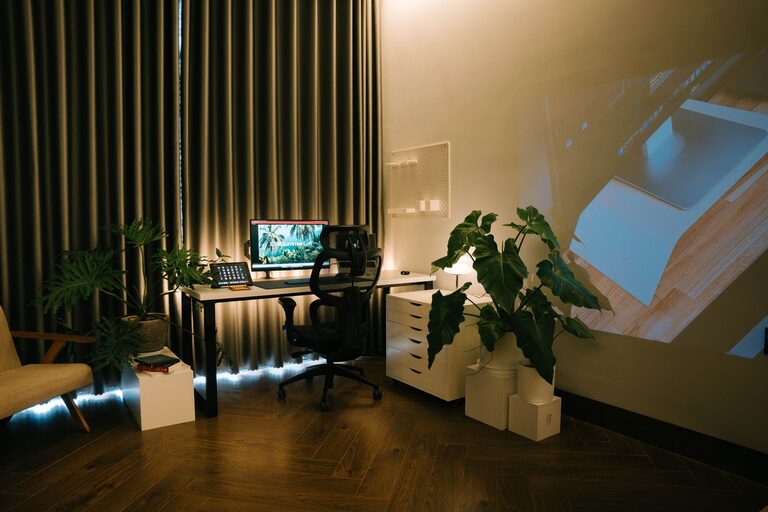
Creating a relaxing home workspace is essential for anyone looking to improve focus, reduce stress, and maintain a healthy work-life balance. Whether you work remotely full-time or occasionally, your work environment plays a big role in your productivity and well-being. In this post, we’ll explore practical ideas and simple steps to transform your home workspace into a peaceful and efficient place to work.
Why a Relaxing Workspace Matters
A cluttered or chaotic workspace can increase stress and distract you from your tasks. On the other hand, a well-organized and calming area encourages concentration and creativity. Designing a workspace with relaxation in mind helps you feel more comfortable and motivated throughout your workday.
Choose the Right Location
Find a Quiet Spot
Start by selecting a location in your home with minimal noise and foot traffic. This could be a spare room, a corner in the living room, or even a section of your bedroom. A quiet space helps you focus and reduces interruptions.
Consider Natural Light
Whenever possible, position your desk near a window. Natural light boosts mood and productivity. If natural light is limited, invest in quality lighting with adjustable brightness to reduce eye strain.
Invest in Comfortable Furniture
Ergonomic Chair
A good chair supports your posture and reduces discomfort. Look for an ergonomic chair with adjustable height and lumbar support to keep you comfortable during long work sessions.
Desk Options
Your desk should fit the available space and hold all necessary equipment. For more flexibility, consider a standing desk or a desk converter to alternate between sitting and standing during the day.
Keep Your Workspace Organized
Declutter Regularly
A tidy desk helps clear your mind. Remove unnecessary items and keep only what you regularly use within reach. Storage boxes, trays, and drawer organizers can help manage supplies neatly.
Use Cable Management
Unruly cables create visual clutter. Use cable clips, sleeves, or ties to keep cords organized and out of sight.
Add Calming Elements
Choose Soothing Colors
Soft, neutral tones like light blues, greens, or earth colors create a calming atmosphere. Avoid overly bright or harsh colors that can be distracting.
Bring in Nature
Adding plants to your workspace improves air quality and adds a touch of nature. Small potted plants like succulents or ferns are easy to care for and visually refreshing.
Incorporate Personal Touches
Include items that make you happy but don’t crowd your space. Photos, inspirational quotes, or a favorite mug can boost your mood without overwhelming your desk.
Minimize Distractions
Use Noise Control Tools
If your environment is noisy, try noise-cancelling headphones or a white noise machine. Soft background music can also help maintain focus.
Set Boundaries
Create clear rules with family or housemates about your work hours and workspace boundaries. This helps reduce interruptions and respect your dedicated workspace.
Improve Air Quality and Temperature
Ventilation
Good air circulation keeps your workspace fresh and reduces fatigue. Open a window or use a small fan if needed.
Comfortable Temperature
Maintain a comfortable temperature with a heater, fan, or air conditioner to prevent distractions caused by being too hot or cold.
Technology Setup
Efficient Equipment
Ensure your computer, monitor, keyboard, and other tools are set up ergonomically. A monitor at eye level and a keyboard within easy reach can prevent strain.
Keep Devices Charged
Use charging stations or docks to keep your devices powered and avoid messy cords on your desk.
Establish a Routine
Regular Breaks
Take short breaks to stretch and relax your eyes. This improves focus and reduces physical strain.
End-of-Day Clean Up
At the end of each day, spend a few minutes tidying your workspace. A clean area starting the next day promotes a calm mindset.
Final Thoughts
Creating a relaxing home workspace doesn’t require a complete overhaul. Small changes, like decluttering, adding natural light, and incorporating plants, can make a significant difference. The key is designing a space that supports your work needs while promoting calm and comfort. With a little effort, your home office can become a place where productivity and relaxation go hand in hand.
