
When a room feels dark and gloomy, it can affect your mood and make the space less inviting. Fortunately, brightening up a dark room doesn’t always mean expensive renovations or major changes. With a few thoughtful tweaks and creative solutions, you can instantly make a room feel lighter, airier, and more cheerful. Whether you’re dealing with limited natural light or heavy shadows, these quick ideas will help you add brightness and warmth to any space.
Assess the Light Sources
Before making changes, take a good look at your room’s current lighting situation. Identify where the natural and artificial light is coming from and what might be blocking it. Windows that are hidden behind heavy curtains or furniture can drastically reduce natural light. Similarly, using bulbs that are too dim or fixtures that don’t distribute light well can contribute to a dark atmosphere.
Maximize Natural Light
1. Use Light, Sheer Curtains
Heavy drapes block sunlight even when they’re open. Swap them out for sheer or light-colored curtains that allow light to filter in gently. Sheer curtains soften sunlight while still brightening the room.
2. Clear Window Areas
Keep windows clean and remove any objects on the sill that might block light. Rearrange or remove furniture that partially covers windows to ensure sunlight can reach deeper into the room.
3. Add Mirrors to Reflect Light
Placing mirrors opposite or adjacent to windows helps bounce natural light around the room. Choose decorative mirrors that complement your decor and place them strategically for maximum effect.
Improve Artificial Lighting
1. Layer Your Lighting
Rely on a combination of lighting types — ambient, task, and accent lighting — to brighten a dark room effectively.
– Ambient Lighting: Overhead lights or ceiling fixtures provide general illumination.
– Task Lighting: Table lamps, floor lamps, or under-cabinet lights focus light where you need it.
– Accent Lighting: Spotlights or decorative lights highlight features and add depth.
2. Choose Brighter Bulbs
Switch to LED bulbs with a higher lumen count for brighter light. Select bulbs with a color temperature around 3000K to 4000K for a warm yet bright glow that mimics natural daylight.
3. Use Light-Colored Fixtures
Opt for lampshades and lighting fixtures in white or light materials to help diffuse and amplify light rather than absorb it.
Brighten Walls and Ceilings
1. Paint Walls in Light Colors
Light paint colors such as whites, creams, pastels, or soft neutrals reflect more light than dark hues. A fresh coat of light paint can dramatically change the atmosphere and open up the space.
2. Choose Glossy or Satin Finishes
Using paint with a satin or semi-gloss finish on walls helps reflect light better than matte finishes. This subtle sheen adds brightness without being too shiny.
3. Add Light-Colored Wall Decor
Incorporate artwork, frames, or wall hangings in light tones to keep the room feeling bright and lively.
Use Reflective and Bright Furnishings
1. Opt for Light Furniture
Furniture in light woods, whites, or pastel shades contrasts well with darker flooring or walls, lifting the overall look.
2. Incorporate Metallic Accents
Decorative elements such as gold, silver, or chrome help bounce light and add sparkle.
3. Use Bright Textiles
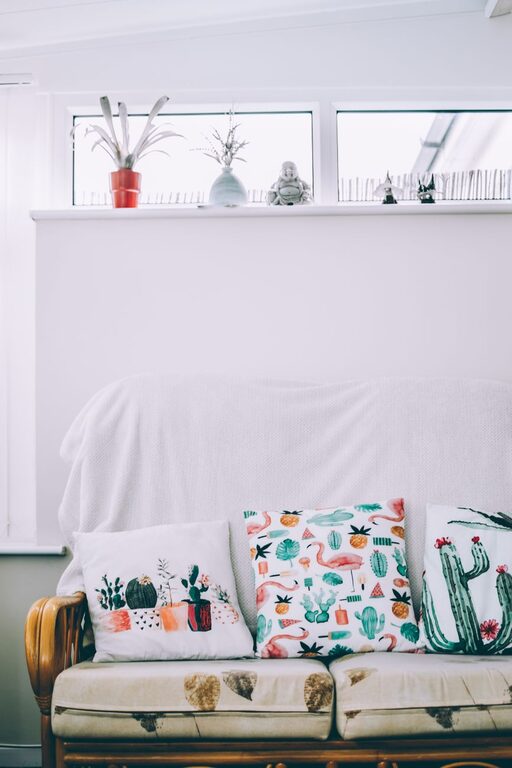
Choose cushions, throws, rugs, and curtains in bright colors and patterns. These touches add color and reflect light, creating a cheerful environment.
Declutter and Organize
A cluttered and crowded room often feels darker and more confined. Keep the room tidy and organized to make the space feel open and light-filled. Use storage solutions to hide away unnecessary items and keep surfaces clean.
Add Plants and Natural Elements
Plants add life and freshness to any room. Choose varieties that thrive in low light to complement a dark room. The green color reflects light softly, and plants improve the overall ambiance, making the space feel more vibrant.
Consider Room Layout
Rearranging furniture can make a big difference. Position seating and key pieces near windows or light sources. Avoid placing bulky furniture blocks where they might cast unnecessary shadows.
Use Light Floors or Rugs
If changing flooring isn’t an option, add a large light-colored rug to brighten the floor. Light floors reflect more light, making the whole room feel airier.
Final Tips
– Keep doors open when possible to allow light from other rooms to flow in.
– Use translucent or frosted glass doors to let natural light pass between rooms.
– Clean light fixtures regularly to remove dust that dims light output.
—
Brightening a dark room is all about maximizing light and creating a lively, inviting atmosphere. With these simple, budget-friendly ideas, you can make even the darkest spaces feel fresh, open, and full of life. Start small with one or two tips, and watch how the room transforms!
